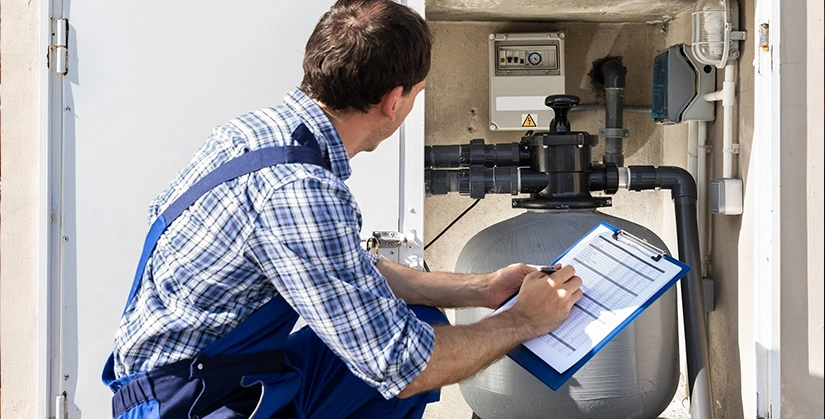
Well Pump Electrical Service in Spring Valley, WI
A well pump is one of those things you don’t think about until the shower goes cold or the faucets cough up air. If you’re adding a new pump, swapping a control box, or updating old wiring, the electrical side has to be right. We handle well pump electrical service with clean, labeled work that makes future maintenance easier, not harder.
In Spring Valley, WI, we see a lot of rural setups where power runs travel a long way, and the weather has a say in everything. That means we pay close attention to wire size, voltage drop, grounding, and the right protection at the panel. It’s not flashy work, but it’s the difference between a pump that starts strong and one that struggles every cycle.
What we handle on pump installs:
- Dedicated circuit planning and safe panel connections
- Control box and pressure switch wiring checks
- Proper grounding and bonding for pump equipment
- GFCI/AFCI decisions based on your setup and code
- Conduit and cable routing that stays protected and neat
- Startup testing so you know it’s running right
Once everything is wired, we test the pump start, verify amperage, and check for heat at connections. You get straight answers on what we did and why, plus simple notes you can keep for the next service call.
Fast Troubleshooting When Your Pump Trips or Quits
When a pump quits, it can feel like the whole house shuts down. Breaker tripping, buzzing at the control box, low pressure, or a pump that won’t kick on are common calls. With well pump electrical service, we focus on isolating the fault quickly, then fixing it the right way so it doesn’t creep back next week.
We start by checking what the system is telling us: breaker behavior, voltage at the panel, and what’s happening at the pressure switch and control equipment. Then we test the circuit under load. Loose connections, worn contacts, water intrusion, and failing capacitors can all cause weird symptoms. Sometimes it’s a simple fix. Sometimes the signs point to a failing motor pulling too many amps. Either way, you’ll know what’s going on.
Common problems we track down:
- Breaker trips at startup or mid-cycle
- Pressure switch not signaling the pump correctly
- Burnt wires, melted insulation, or loose lugs
- Low voltage is causing hard starts and overheating
- Control box capacitor or relay issues
- Lightning or surge damage to pump circuits
After repairs, we re-test the full cycle, not just a quick “yep, it turned on.” We want steady operation, safe temperatures at connections, and a setup that won’t keep you guessing every time you turn on a faucet.
Why Choose Us
Clear Answers
You get a plain-English explanation of the issue, what it affects, and what it costs to fix. No mystery talk, no fog, just the real story.
Careful Testing
We don’t stop at “power is present.” We test under load, check connections for heat, and confirm the full pump cycle so the result holds up.
Local-Ready Scheduling
We keep scheduling practicals for Spring Valley, WI homes with busy days. When water is involved, we treat it like a priority and move with purpose.
FAQ's
Most well pumps should be on a dedicated circuit sized to the pump’s requirements. It prevents nuisance trips and reduces voltage drop, especially on longer runs common around Spring Valley.
Common causes include a failing pump motor drawing high amps, a bad capacitor in the control box, loose or overheated connections, or moisture in electrical components. A load test usually points to the culprit fast.
Some homeowners do, but wiring mistakes are easy to make and can damage the pump or create a shock hazard. If you’re unsure about line vs. load wiring, get it handled safely and tested.
Breaker size depends on pump horsepower, voltage (120/240), and manufacturer specs, not guesswork. We verify nameplate data and wire size, then match protection so the pump starts reliably without unsafe oversizing.
If the voltage is correct at the control equipment and the pump still won’t run, the motor may be failing. If the voltage drops, connections heat up, or the breaker trips on start, electrical issues are likely. Testing tells the truth.